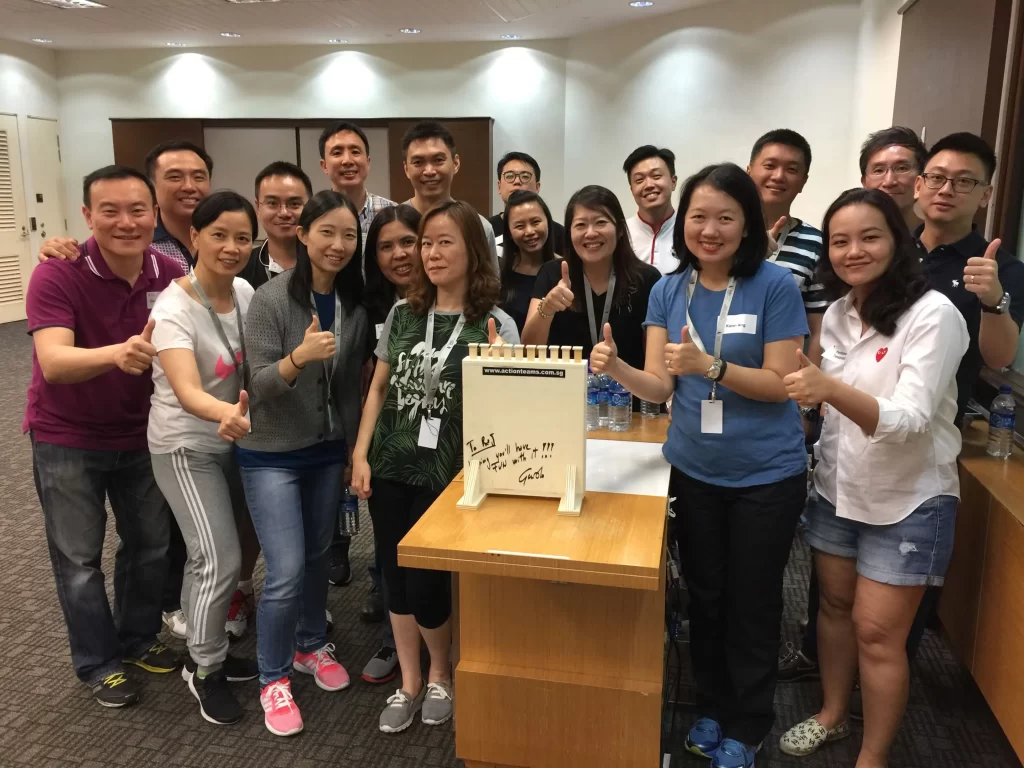
How to Plan a Team Building Event in 10 Easy Steps
Booking a few fun activities is not all it takes to plan a successful team building event. An effective event supports organisational objectives, is energising for attendees and will have longer-lasting advantages in the workplace. Numerous organizations team up with Action Teams for fun but experiential learning experiences that are led by professionals.
If you’re planning your first corporate outing or adjusting a current program, it’s important to know the planning process. Presented in 10 simple steps, this guide explains how you can create effective Team Building Events that strengthen your collaboration and boost employee morale and productivity.
Step 1: Define Clear Objectives
The first step in planning any team building event is identifying your purpose. Ask yourself what you want to achieve:
- Improve communication
- Enhance teamwork
- Develop leadership skills
- Integrate new employees
- Boost morale
Clear goals provide direction and help determine suitable activities, formats, and evaluation methods.
Step 2: Understand Your Audience
Think about your team: how big it is, what the demographics are, and what does it prefer. Some groups might be thrilled by a physically demanding outdoor challenge, others not so much. Culture awareness is of paramount importance, as people from different backgrounds have varied comfort levels and expectations; knowledge in this area will help the potential facilitator to set an agenda that includes everyone up to 98% therefore Delivery ratio in sensitivity.
Many professional facilitators also perform pre-event interviews to learn about the organisation’s culture and more about people attending – this is turned into event design.
Step 3: Set a Budget
Budget planning influences venue selection, activity complexity, facilitation, catering, and logistics. Set realistic financial parameters early to avoid limitations down the line. A specific budget also allows vendors to suggest deals that offer services without compromising on experience.
Step 4: Choose the Right Format
Modern workplaces require flexible event formats. Consider whether your team building event will be:
- Indoor
- Outdoor
Each format offers unique benefits. With outdoor programs it’s all about physical involvement, while for indoor activities creativity and strategic thinking takes centre stage.
Step 5: Select Engaging Activities
Choosing the right activities is fundamental to an event success. Select experiences based on your goals and the interests of participants. Multi-event formats range from problem-solving and adventure races to creative workshops and innovation simulation.
Through Action Team, organisations can access diverse activity portfolios designed to promote collaboration, trust, and communication while maintaining high engagement levels.
Step 6: Secure Venue and Logistics
Once activities are finalised, check venue availability and logistics requirements. Planning considerations include accessibility, safety, capacity, equipment needs and contingency plans for inclement weather or technical problems.
Logistics management contributes to seamless transitions between activities and avoids delays that could dampen participant enthusiasm.
Step 7: Communicate with Participants
It helps to set the tone and prepare participants for whatever the event might be. Share essential information such as:
- Event purpose and agenda
- Dress code
- Location or login details
- Preparation requirements
Communication in the early stages mitigates uncertainty, subsequently enhancing readiness for participation.
Step 8: Incorporate Facilitation and Reflection
Professional facilitation is one of the key differentiators of impactful team building events. Facilitators guide the activities, encourage participation and conduct follow-up reflection sessions that connect experiences back to workplace behaviours.
Reflection discussions provide participants with an opportunity to explore challenges they faced and lessons learned about leadership and teamwork as well as problem solving, and make the transition from an experience into a learning experience on that level.
Step 9: Foster a Positive and Inclusive Atmosphere
A very stimulating environment generates participation and interaction. Focus on collaboration not competition and promote emotional safety by sharing with each other. Acknowledge contributions, celebrate accomplishments, and make sure that everyone involved feels appreciated.
“Rewarding the effort to accommodate and level up for the event, inclusive environments reinforce relationships and maximize overall event satisfaction.
Step 10: Evaluate and Follow Up
Post-event evaluation: Measure effectiveness and identify areas for improvement Conduct surveys, informal discussions, or debriefs to solicit feedback. Evaluate whether goals were met and how learnings can be infused into work habits.
Post-event programs — like ongoing engagement efforts or leadership development workshops — will maintain momentum built at the event.
Benefits of Structured Team Building Events
Well-planned team building events offer numerous organisational advantages:
- Stronger interpersonal relationships
- Improved communication and collaboration
- Enhanced problem-solving capabilities
- Increased employee engagement
- Greater adaptability to change
By investing in structured planning and professional facilitation, organisations can maximise these benefits and create meaningful experiences that extend beyond the event itself.
Learn more about working with seasoned providers for easy execution, creative approach, and measurable effectiveness. Specialising in experiential learning and corporate engagement.
Conclusion
To plan successful team building events you need clear objectives, the right activities and structured facilitation. With these ten steps and the right providers behind, organisations can make experiences that engage collaboration, improve morale, and create a lasting impact on the workplace.